


-

Add: HeBei ShengShi HongBang Cellulose Technology CO.,LTD.
-

Email
13180486930@163.com -

CONTACT US
+86 13180486930

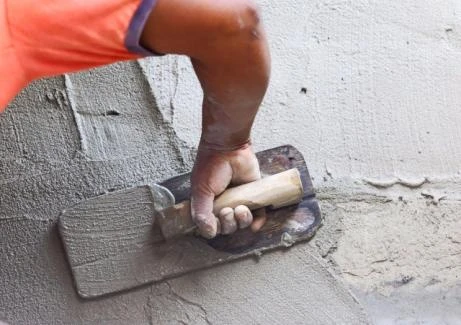


In the world of modern construction, synthetic fibers have revolutionized the way materials are used, enhancing the strength, flexibility, and durability of various building components. The different types of synthetic fibers available today are engineered for specific uses, making them indispensable in many construction projects. These fibers are often used to reinforce concrete, improve the resilience of building structures, and provide additional benefits like increased fire resistance and weather protection. From polypropylene fibers to long glass fibers , synthetic fibers offer a range of options tailored to different needs. Whether it’s increasing the strength of cement or providing insulation properties, the different types of synthetic fibers ensure that construction projects meet high standards of quality and longevity. In addition to their superior performance, synthetic fibers are often more cost-effective and readily available than traditional materials. This makes them a preferred choice for construction companies aiming to reduce costs while maintaining high-quality results. Furthermore, the environmental impact of synthetic fibers is increasingly being addressed with sustainable production methods, making them a more eco-friendly option for the construction industry. Long Glass Fiber Polypropylene: A Key Ingredient for Stronger Materials One of the standout synthetic fibers in the construction industry is long glass fiber polypropylene . This innovative fiber combines the strength of glass with the lightweight, corrosion-resistant properties of polypropylene. As a result, long glass fiber polypropylene is often used to reinforce concrete and other building materials, providing a significant boost in durability and performance. The inclusion of long glass fiber polypropylene in construction materials helps reduce cracking and improve the structural integrity of buildings and roads. The long fibers create a matrix that distributes stresses evenly across the material, preventing localized damage. This fiber is particularly useful in high-strength concrete applications where additional reinforcement is needed. Moreover, long glass fiber polypropylene is highly resistant to environmental factors like moisture, UV radiation, and temperature changes, making it ideal for both indoor and outdoor construction projects. It is commonly used in applications like paving, drainage systems, and even in the production of prefabricated building components. Its versatility and effectiveness in improving the lifespan and reliability of building materials make it a go-to solution for modern construction needs. Fibre Natural and Synthetic: A Comparison of Strength and Sustainability When choosing materials for construction, understanding the difference between fibre natural and synthetic options is crucial. While natural fibers such as jute, hemp, and cotton have been traditionally used in construction, synthetic fibers like polypropylene, polyester, and nylon have emerged as more durable and cost-effective alternatives. Fibre natural and synthetic materials each have their own advantages, making them suitable for different types of applications. Natural fibers are renewable, biodegradable, and often produced using more sustainable methods, making them a more eco-friendly option. However, they may not offer the same level of strength or resistance to environmental factors as synthetic fibers. On the other hand, synthetic fibers are engineered for durability, offering superior resistance to moisture, heat, and wear. They are often used to enhance the properties of natural materials, making them more suitable for demanding construction environments. For example, natural fibers like hemp may be used in insulation or as a reinforcement material in low-stress applications, while synthetic fibers like polypropylene or polyester are used for high-strength reinforcement in concrete, roofing, and other critical structures. By combining the best of both fibre natural and synthetic materials, construction companies can achieve optimal performance and sustainability. Non-Woven Polypropylene Fiber: A Revolutionary Material in Construction Non woven polypropylene fiber is another essential material that is increasingly being used in the construction industry. Unlike traditional woven fabrics, non woven polypropylene fiber is made from a process that bonds fibers together without weaving or knitting, resulting in a highly versatile material with excellent durability and moisture resistance. This fiber is widely used in applications like drainage systems, geotextiles, and road construction. Non woven polypropylene fiber provides a lightweight yet strong solution for reinforcing construction materials. It is often used in soil stabilization, as it helps prevent erosion and improves the strength of the ground underneath roads, bridges, and buildings. The material's ability to resist moisture also makes it ideal for protecting against corrosion and extending the lifespan of infrastructure. Additionally, non woven polypropylene fiber is environmentally friendly, as it is made from recyclable polypropylene, a material that can be repurposed for various other uses. Its cost-effectiveness, combined with its high-performance qualities, makes it a popular choice for contractors seeking durable and sustainable solutions for their construction projects. S ynthetic F ibers FAQs What are the different types of synthetic fibers used in construction? Synthetic fibers used in construction include polypropylene, polyester, nylon, and glass fibers. Each type is engineered for specific applications, such as reinforcing concrete, improving durability, and providing insulation. What is long glass fiber polypropylene, and why is it important in construction? Long glass fiber polypropylene is a fiber that combines the strength of glass with the lightweight, corrosion-resistant properties of polypropylene. It is essential in construction for reinforcing concrete, improving structural integrity, and preventing cracking. What are the benefits of using natural fibers in construction? Natural fibers , like hemp or jute, offer benefits such as renewability, biodegradability, and sustainability. They are commonly used for insulation and low-stress reinforcement, but may not be as durable or resistant to environmental factors as synthetic fibers. How does non-woven polypropylene fiber differ from woven fabrics? Unlike woven fabrics, non-woven polypropylene fiber is made through a bonding process that does not involve weaving or knitting. This results in a highly durable and moisture-resistant material, commonly used in geotextiles, drainage systems, and soil stabilization. Are synthetic fibers environmentally friendly? While synthetic fibers are often made from petroleum-based products, many are now produced using more sustainable methods. Additionally, materials like non woven polypropylene fiber are recyclable, making them a more environmentally friendly choice in construction. As construction needs evolve, synthetic fibers like long glass fiber polypropylene and non woven polypropylene fiber continue to play a crucial role in enhancing the strength, durability, and sustainability of building materials. If you're in the construction business, investing in these cutting-edge fibers will improve the performance of your projects and contribute to more eco-friendly practices. Visit our website today to explore our wide range of high-quality synthetic fibers and learn how they can transform your construction projects!
- 40000tons

Production
- 20+years

Experience
- 5000+㎡

Acreage

-
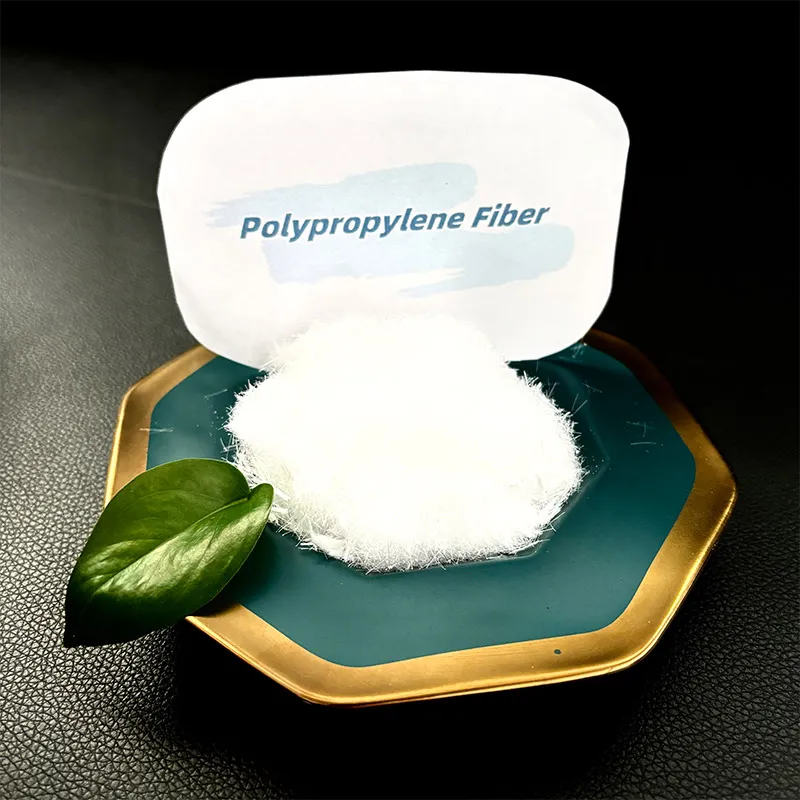
The Growing Importance of PP Fiber Concrete in Modern Construction In the ever-evolving landscape of construction materials, polypropylene (PP) fiber concrete has emerged as a noteworthy innovation that enhances the performance of traditional concrete. This article explores the significance of PP fiber concrete, its properties, applications, and the benefits it brings to modern construction. Understanding PP Fiber Concrete PP fiber concrete is a composite material that incorporates polypropylene fibers into traditional concrete mix. These fibers, typically ranging from 0.5 to 1.5 inches in length, are designed to improve the structural integrity of the concrete. They act as reinforcement, providing a secondary layer of strength that helps to mitigate various forms of damage that can occur during curing and throughout the life of the structure. Key Properties of PP Fiber Concrete One of the most notable properties of PP fiber concrete is its ability to reduce plastic shrinkage cracking. During the curing process, traditional concrete is susceptible to environmental factors such as temperature fluctuations and evaporation of moisture, which can lead to stress and cracks. The integration of polypropylene fibers helps to control these cracks by providing a linking mechanism, which allows stress to be distributed more evenly throughout the concrete. In addition to crack resistance, PP fiber concrete also offers enhanced toughness and impact resistance. The fibers absorb and dissipate energy when forces are applied, making it suitable for applications where durability is paramount. Moreover, the use of PP fibers improves the concrete's resistance to freeze-thaw cycles, making it an ideal choice for structures exposed to varying climatic conditions. Applications of PP Fiber Concrete The versatility of PP fiber concrete lends itself to a wide range of applications across various sectors of the construction industry. It is commonly used in - Industrial Flooring Due to its high durability and resistance to impact, PP fiber concrete is often utilized for industrial flooring where heavy machinery operates. The fibers help to maintain the structural integrity even under heavy loads. pp fiber kongkreto - Pavements and Roads The use of PP fiber in pavement designs has shown to improve the longevity of roads and pavements. It helps reduce wear and tear caused by traffic, leading to lower maintenance costs over time. - Precast Elements In the production of precast concrete components such as walls, beams, and slabs, incorporating PP fibers can enhance performance and reduce the risk of cracking during casting and transportation. - Water Retaining Structures PP fiber concrete is also beneficial in the construction of water tanks and reservoirs, as it minimizes the risk of leakage that can arise from cracking. Benefits of Using PP Fiber Concrete The adoption of PP fiber concrete presents multiple advantages beyond enhanced performance. Firstly, it can lead to significant cost savings over the life cycle of a structure. By reducing the incidence of cracking and the need for repairs, construction companies can optimize their budgets and allocate resources more efficiently. Secondly, the use of PP fibers can contribute to more sustainable construction practices. A lower incidence of repair and maintenance means that materials are conserved, and waste is minimized, aligning with environmentally friendly building standards. Lastly, the integration of PP fibers into concrete mixes is straightforward and does not require specialized equipment. This ease of incorporation allows for its adoption in various construction scenarios without significant changes to existing processes. Conclusion As the construction industry continues to face challenges related to durability, sustainability, and cost efficiency, the emergence of materials like PP fiber concrete represents a significant advancement. Its ability to enhance concrete's performance while providing practical solutions for modern construction needs positions it as a valuable asset in the quest for more resilient infrastructure. With the ongoing research and development in this field, PP fiber concrete is set to play a crucial role in shaping the future of construction.
-
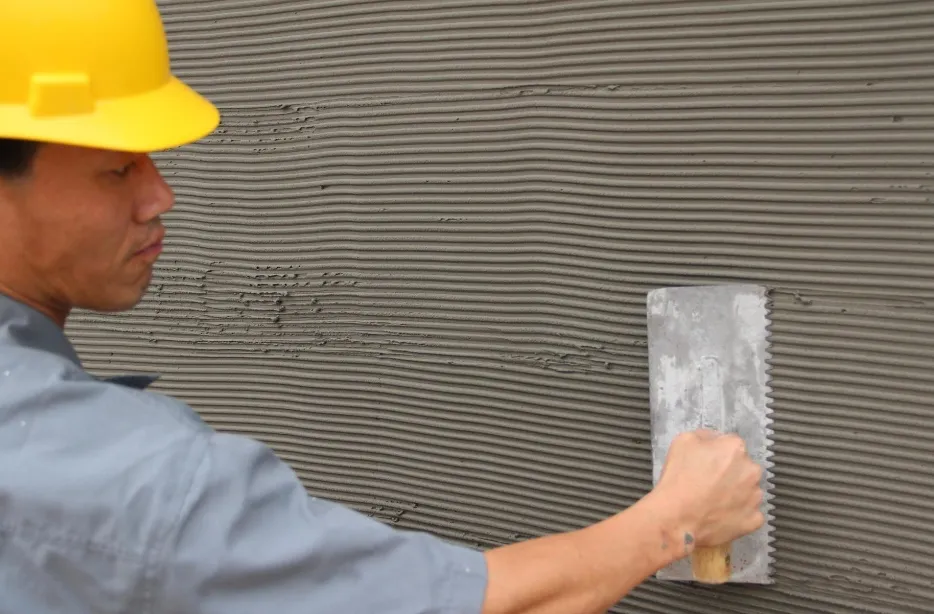
Rubber powder —the micronized particles produced from waste or virgin rubber—has emerged as an essential raw material across numerous industrial sectors. Key advantages such as environmental sustainability, versatility, and significant cost savings have rapidly enhanced its adoption. This guide navigates the current trends, rubber powder uses , rubber powder price evolution, technological specifications, leading vendors, and showcases detailed insights into product lines including the latest Rubber powder-821 . Access the official Rubber powder-821 here . Rubber Powder in High-Performance Coatings What is Rubber Powder? Grades, Sizes, and Specifications Rubber powder is produced by grinding rubber waste (tyres, industrial scrap, nitrile, SBR, etc.) into fine particles, typically ranging from 80 mesh (180 μm) to ultra-fine grades >200 mesh (75 μm or finer). The product may include nitrile rubber powder for oil resistance, rubber anti tack powder for improved processing, and talc powder for rubber as a compounding aid. Depending on origin and process ( cryogenic grinding, ambient milling, water-jet micronization ), rubber powder is categorized by particle morphology, purity, and technical indices such as ash content, bulk density, and surface area. Certification to ISO 9001:2015 and ANSI/ASTM D5603 is now standard for reputable manufacturers. Fully Automated Rubber Powder Production Line Industry Trends: Rubber Powder Uses & Market Outlook Application Key Performance Requirements Rubber Powder Grade Market Share (2023, %) Tire Manufacturing High tensile strength, abrasion resistance Fine rubber powder, 80–120 mesh 41.2 Rubber Coatings & Sealants Adhesion, flexibility, water/chemical resistance Ultra-fine, surface-treated 18.7 Plastics Modification Compounding efficiency, modulus enhancement Nitrile rubber powder, SBR types 12.4 Construction Materials Durability, anti-slip, impact resistance Fine & coarse blends 11.3 Road Asphalt & Bitumen Modifier Improved elasticity, rut-resistance 80 mesh rubber powder 9.4 Others (Animal Mats, Anti-vibration Pads, Sport Fields) Elasticity, shock absorption Coarse/fine blend 7.0 Manufacturing Process: Rubber Powder Uses Production Workflow Raw Material Selection (Tyre Scrap, Nitrile, SBR, etc.) ➜ Pre-Shredding (Mechanical cutting) ➜ Cryogenic/Ambient Milling (Powdering to 80–200 mesh) ➜ Magnetic Separation (Remove metals) ➜ Particle Classification (Sieve, Air Separator) ➜ Surface Treatment (Anti-tack, Blending, Additive) ➜ Packing & QC (ISO/ANSI Test) Key standards: ISO 9001:2015 (Quality Management), ASTM D5603 ; Typical industry lifespans for fine rubber powder coating : 8–15 years (in situ). Explore detailed production technology for rubber powder uses Fine Rubber Powder in High-Elastic Applications Rubber Powder-821 : Technical Specifications & Performance Rubber powder-821 is produced through advanced cryogenic separation, offering exceptional uniformity and stable particle morphology suitable for high-end engineering and polymer compounding applications. Material: 100% high-quality reclaimed SBR/Nitrile, ISO 9001:2015 certified Particle Size: 80–150 mesh (≤180–106 μm) Purity: ≥99% (low ash content <0.75%) Bulk Density: 0.38–0.51 g/cm³ Surface Treatment: Anti-tack proprietary blend Color: Deep black or customer-defined via custom formula Compliance: ISO 9001:2015, ASTM D5603, RoHS/FDA on request Service Life: 10–16 years (typical in coatings, asphalt, plastics) Rubber Powder Price & Grade Comparison Technical Parameter Table: Rubber Powder-821 Parameter Rubber Powder-821 Standard Rubber Powder Nitrile Rubber Powder Particle Size (mesh) 80–150 mesh 60–100 mesh 100–200 mesh Purity (%) ≥99.0 95.0–97.0 ≥98.5 Ash Content (%) <0.75 <1.6 <0.8 Bulk Density (g/cm³) 0.38–0.51 0.34–0.45 0.40–0.53 Elongation at Break (%) >320 250–310 >300 Surface Treatment Anti-tack, Customized Talc (optional) None/Custom Compliance ISO, ASTM, RoHS, FDA* ISO, ASTM ISO, ASTM, RoHS* Rubber Powder Price Analysis (2024) Rubber powder price is determined by feedstock source, mesh size, purity, and treatment (anti-tack, talc-coated, etc.). Typical ex-factory price (June 2024): $490–$850/MT for 100 mesh general grade; $950–$1150/MT for nitrile/fine powder specialties. Notably, certified grades for food contact or medical compounding command a 20-45% premium. Vendor Comparison: Leading Rubber Powder Production Line Manufacturers Manufacturer Key Product Line Strengths Certification Lead Time SSH Chemical (China) Rubber powder-821, Fine/Nitrile grades High purity, Custom surface, ISO/ASTM tested ISO 9001, FDA/RoHS* 7–20 days RubberGreen (France) EcoRub 110–140 mesh EU reach, BREEAM building certifications ISO 9001, BREEAM 15–30 days GENAN (Denmark) Superfine, Asphalt Modifier Global sourcing, Recycling focus ISO 14001, ISO 9001 10–28 days ADEKA (Japan) Nitrile Rubber Powder lines Automotive, Electronic uses ISO 9001, RoHS 21–35 days Customization & OEM Solutions Leading factories provide tailor-made rubber powder production line setups: mesh/fineness, surface-blending (talc powder for rubber, bio anti-tack agents), color, and bulk packaging according to application sector—be it petrochemical, water treatment, anti-slip floors or high-resistance road asphalts. Consult with SSH’s engineering team for engineered rubber powder uses OEM solutions . Application Case Study: Eco-Asphalt Reinforcement (Brazil 2023) Objective: Improve rutting resistance in tropical road surfaces. Implementation: SSH Rubber powder-821 5% (w/w) blended in polymer modified asphalt. Result: 26.7% reduction in rut depth after 30,000 load cycles (vs. control); 19% improvement in elastic modulus. Confirmed by ASTM D412 and ISO 37:2017 tests. Client Feedback: “Exceptional long-term flexibility and cost savings. After 18 months, virtually no surface fatigue.” For custom formulation support, refer to SSH technical team . Rubber Anti Tack Powder: Surface Performance Technical Advantages of Rubber Powder Uses Solutions Resource Circularity: 1 ton of rubber powder reduces landfill by 400kg, cuts carbon dioxide emissions by 510kg (source: ETRA Europe). Performance Boost: Up to 22% tensile strength gain in thermoplastic composites using nitrile rubber powder (Journal of Polymers, 2023). Cost Efficiency: Typical material cost saving: $120–$280/MT vs. virgin rubber/synthetic alternatives. Customization: Tailored granulation and surface chemistry to fit diverse rubber powder uses in coatings, plastics, roadways, and more. Regulatory Compliance: Products tested to ISO, ASTM, FDA, RoHS for chemical safety and international trade acceptance. Global Application: Real-World Feedback Petrochemical plants use SSH Rubber powder-821 for gaskets and seals, reporting a 35% improvement in lifecycle due to enhanced anti-aging properties (Client: CNPC, 2023). Water utility companies benefit from anti-corrosion linings, with a 14-year service record & zero failures in treated pipelines (Singapore PUB, ref.). Automotive factories deploy fine rubber powder for NVH (noise, vibration, harshness) reduction, credited by ISO/TS 16949 auditors. FAQs: Rubber Powder Uses Expertise & Application Guidance Frequently Asked Technical Questions 1. What raw materials are suitable for rubber powder production line ? Crumb rubber from end-of-life tires (ELTs), SBR, NBR, EPDM scrap, and select virgin compounds. For specialty nitrile rubber powder , high acrylonitrile NBR is used. 2. What is the typical particle size for high-value rubber powder uses ? Coatings and plastics prefer 80–150 mesh fine powder. Asphalt and construction: 30–80 mesh. Ultra-fine uses (200+ mesh) enable smooth compounding in adhesives. 3. How does rubber anti tack powder optimize processing? It prevents agglomeration during transport/storage and eases blending in high-shear mixers. Anti-tack agents may be food-safe (FDA compliant) per application. 4. Can talc powder for rubber be used in all compound types? Talc acts as a processing aid mainly in SBR/NBR formulations, improving flow and compatibility but is not always necessary for EPDM or pure synthetic applications. 5. What installation/compatibility standards apply to rubber powder uses in construction? Testing follows ASTM C117 (particle size), EN 13108-9 (bituminous mixes), and ISO 37 for mechanical performance. Compounds must pass local building/construction codes. 6. What quality tests do reputable factories conduct? ISO 9001:2015 process audits, ASTM D412 (tensile), EN 1279 (thermal aging), RoHS and, for food/health markets, FDA migration and contamination assays. 7. What is the expected delivery time and warranty for Rubber powder-821 ? Standard lead time: 9–18 days for Rubber powder-821 . Quality warranty minimum 18 months. Extended application support is available. Ordering, Delivery, and Customer Service Commitment MOQ: 500kg per grade (customizable for R&D). Lead time: 9–18 days typically; Expedited options for certified customers. Warranty: 18–24 months standard. Product traceability per ISO. After-sales service: Application guidance, test report provision, claim response within 72 hours (100+ international customers supported). Summary & Industry References Rubber powder uses are fast-evolving within global industries, supporting a spectrum of applications from infrastructure to advanced polymers. Preference for high-spec products like Rubber powder-821 is steered by performance, regulatory compliance, and lifecycle economy. With continued R&D and sustainable engineering, such materials will be critical for circular economy goals and technical innovation. Industry References & Further Reading: - Journal of Cleaner Production: "Recycled Rubber Powders in Bituminous Applications — Life Cycle Analysis" (2023) - European Tyre Recycling Association — Rubber Powder Applications - SpecialChem Polymer Additives: Rubber Powder as Compounding Additive Discover solutions tailored to your project: Contact SSH Rubber Powder Team →
advantages
-

200000 Viscosities
Excellent product
We can produce pure products up to 200,000 viscosities
-

40000 tons
High yield
We don’t stop production all year round, and the annual output can reach 40,000 tons
-

24 hours
Quality service
We provide 24-hours online reception service, welcome to consult at any time
———— Inquiry Form
Schedule A services

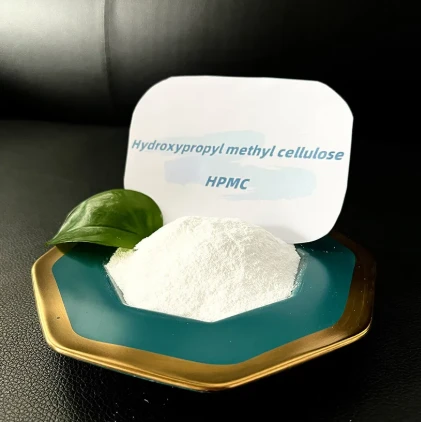
-
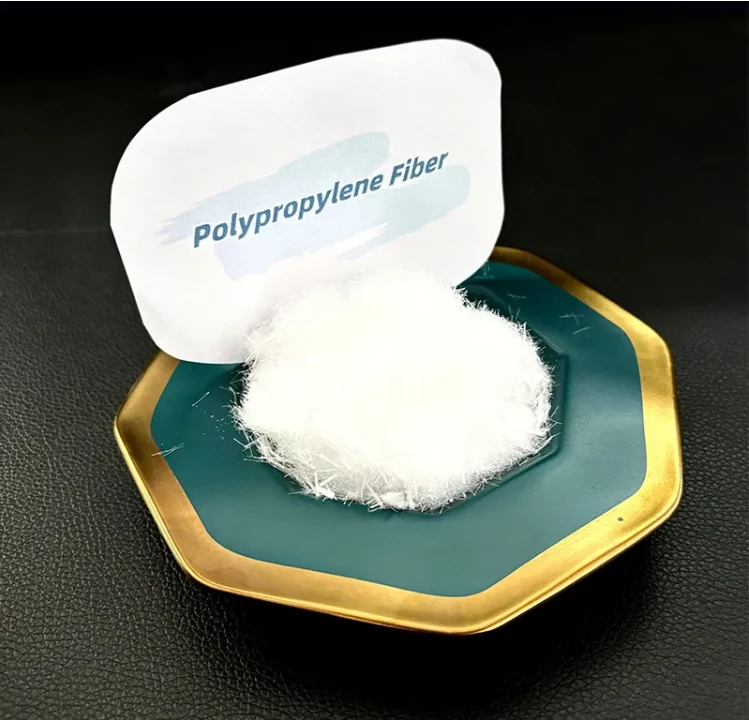 polypropylene_monofilament_fiber
Oct . 25, 2025
Plastering retarders, essential additives in the construction industry, have revolutionized how buil -
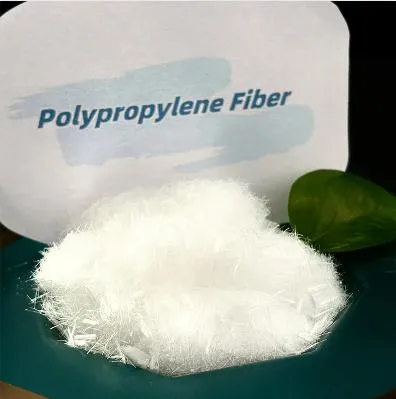 presyo_ng_almirol_eter
Oct . 25, 2025
In the modern construction industry, the performance of building materials is critical to ensuring d -
 types_of_synthetic_fibres_class_8
Oct . 25, 2025
hpmc buy


